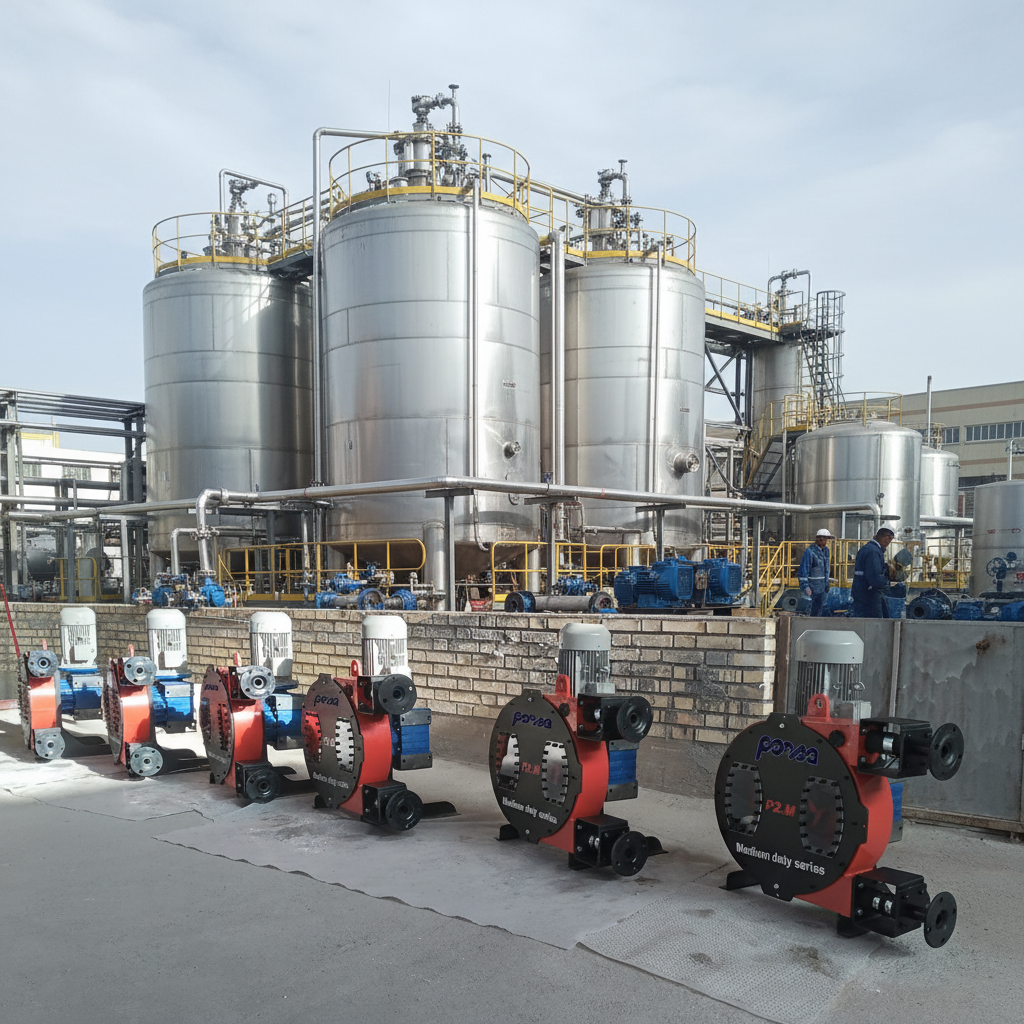
Industrial Pumps
High-performance peristaltic pumps for industrial applications.

Manufacturer of High-Performance Peristaltic Pumps & Smart Power Protection Systems
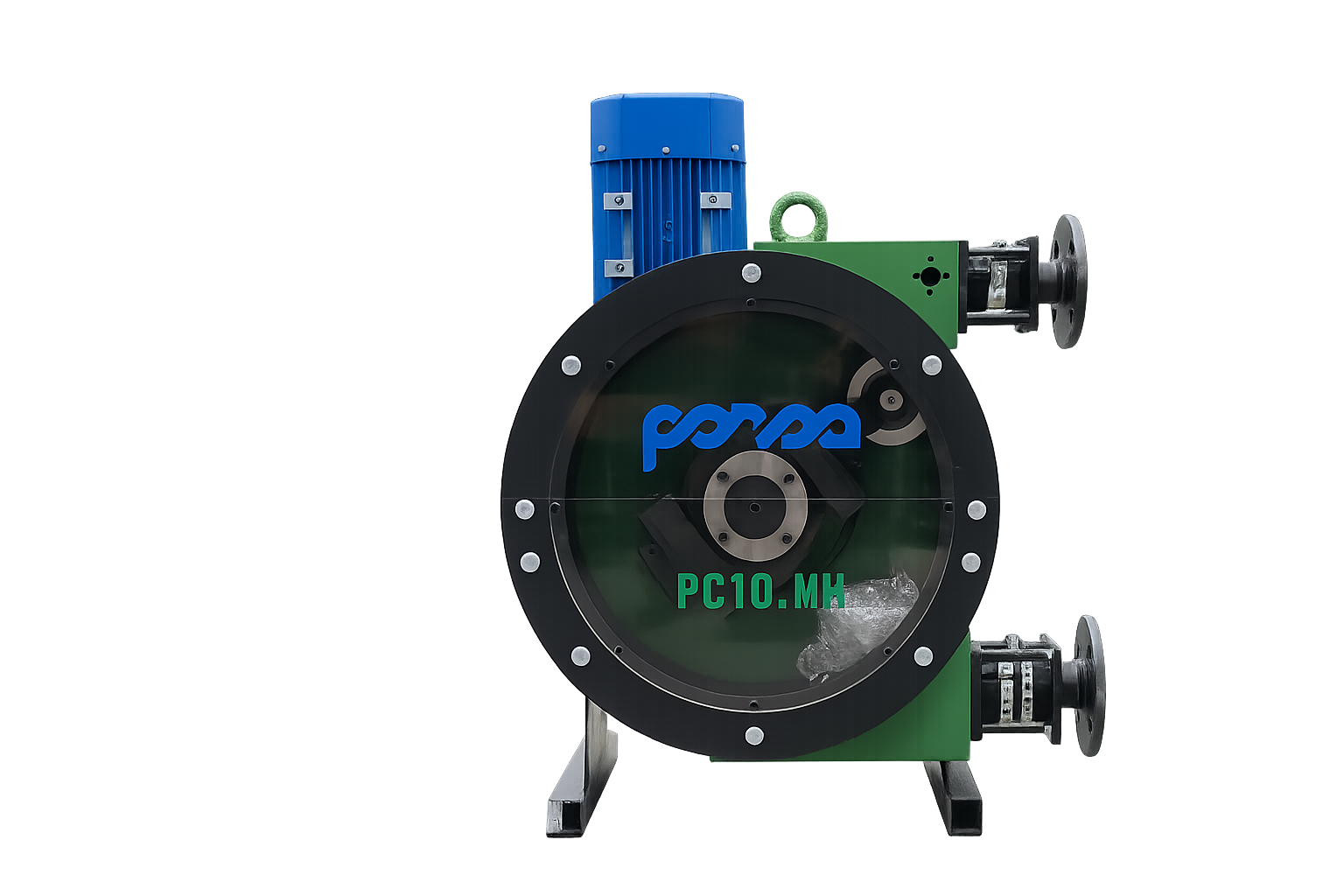
What We Offer
Industrial pumps, laboratory equipment, power protection, and custom engineering—delivered with precision and support.
High-performance peristaltic pumps for industrial applications.
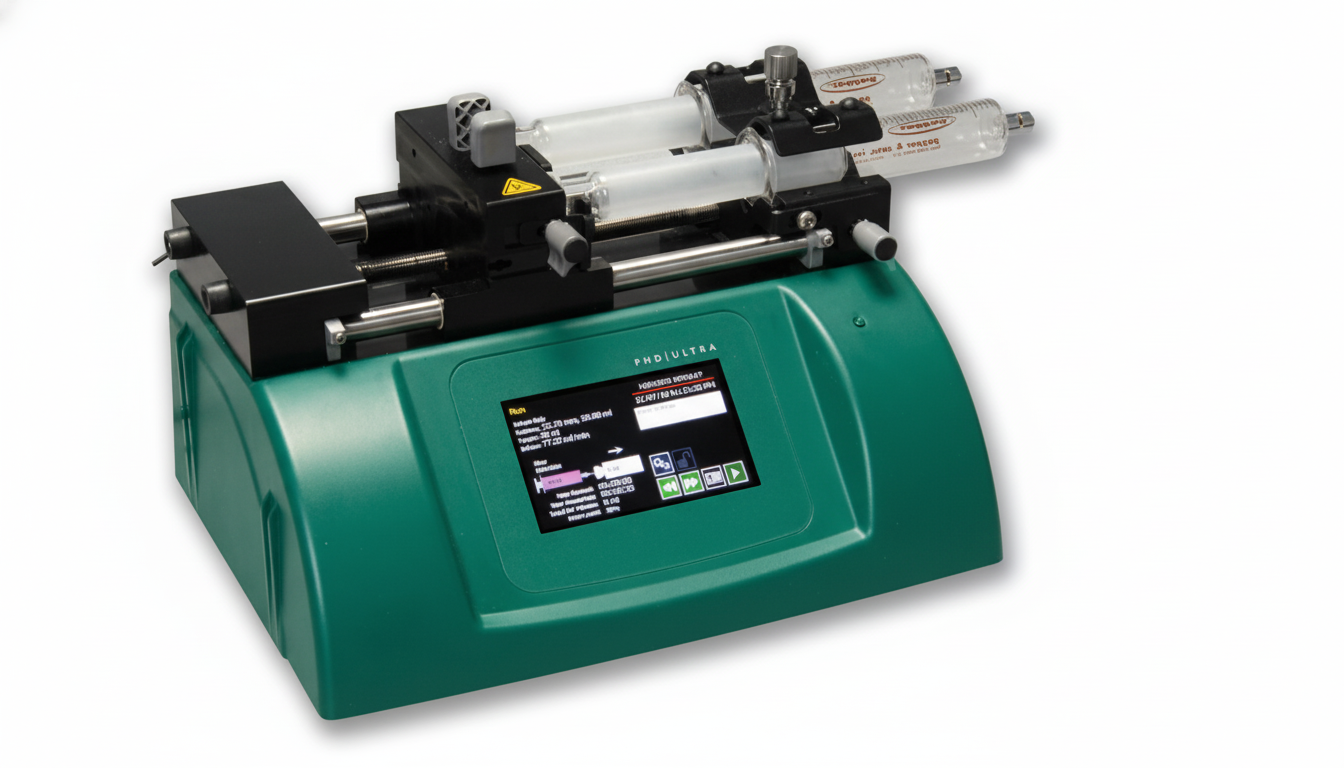
Precision pumps designed for laboratory environments.
Smart surge protectors and power management systems.
Custom engineering services and technical support.
Products
Explore our core product lines: peristaltic pumps for industry and lab, smart power protection, and custom solutions.
Technology
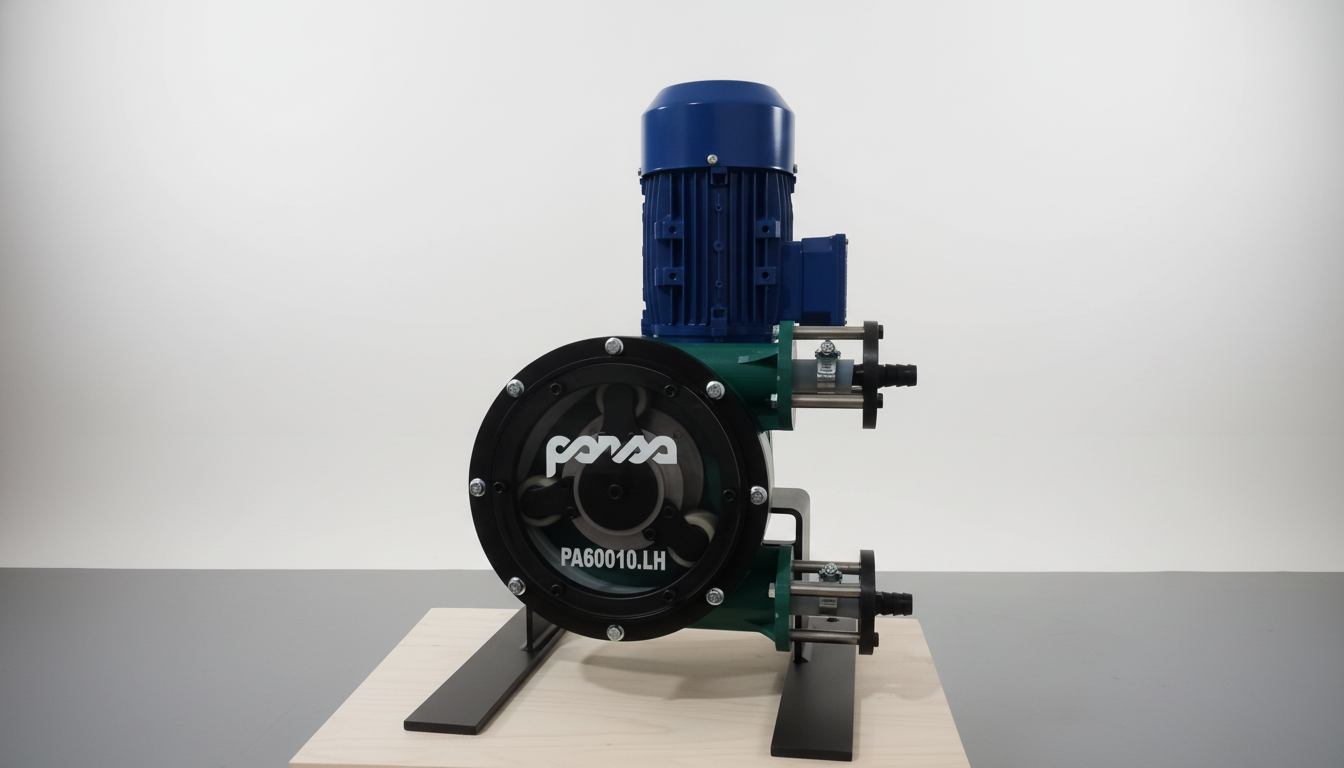
Peristaltic pumps, also known as roller pumps or hose pumps, are among the most advanced types of positive displacement pumps. Their operating mechanism is based on "occlusion," where a flexible hose or tube is compressed within a housing by rollers attached to a rotor. As the rotor turns, this mechanical pressure pushes the fluid forward while simultaneously creating a vacuum behind the roller, enabling powerful self-priming capabilities. The concept is inspired by biological peristalsis—the involuntary muscle contractions that move food through the human digestive tract. The most significant feature of this system is total isolation: the fluid never contacts mechanical parts, seals, or rollers, eliminating risks of leakage and contamination. These pumps are capable of running dry without damage and are ideal for everything from delicate biological materials to the harshest mineral slurries.
The invention of the hose pump dates back to the early 20th century, driven by the medical need for a safe system to transfer blood and sensitive fluids. In 1932, Renald Heart in England developed the first commercial model, revolutionizing laboratory equipment. However, widespread industrial use began in the 1950s as heavy chemical industries sought pumps capable of handling corrosive and viscous materials without frequent failure. From the 1980s onwards, the introduction of fiber-reinforced hoses significantly increased their capacity to handle high pressures (up to 18 bar). Today, advancements in smart polymers and digital control technology have led to ultra-precise models, such as programmable stepper motor pumps and intelligent variable speed drives, which play a crucial role in modern industrial automation.
Advantages
Benefits
No Contamination: Fluid only contacts the inner liner of the hose, avoid direct contact with mechanical parts.
High Precision: Suitable for accurate dosing in various volumes.
Diverse Fluid Tolerance: Supports corrosive liquids, viscous materials, or even gases and suspensions.
Very Low Energy Consumption: Significant power savings due to high-torque gearboxes and low speeds.
No Direct Contact: The fluid only contacts the inner liner of the hose, making it ideal for corrosive, abrasive, or sterile fluids.
Adjustable Flow Rate: Capable of pumping from a few milliliters to several cubic meters per hour.
Filter Press Charging: Constant pressure pumping significantly improves solid-liquid separation efficiency.
Applications
Pharmaceutical and Medical Industries: Drug injection, dialysis, and blood transfer. Similar to homogenizer pumps, they are used for sterile transfer of solutions, vaccines, and laboratory fluids.
Tile and Ceramic Industries: Transfer of slurry, acidic materials, corrosive and abrasive particles.
Oil and Petrochemical Industries: Transfer of raw hydrocarbons, petroleum products, intermediate chemicals, and fluids with low flash points.
Food and Beverage Industries: Hygienic pumping of syrups, jams, yogurt, honey, liquid additives, and semi-solid materials. Pumping sensitive materials like tahini, fructose, or fruit juices without affecting taste.
Chemical and Biotechnology: Handling acids, bases, cell culture media, corrosive solutions, and toxic or sensitive hydrocarbons.
Environmental Industry and Water Treatment: Water purification, wastewater pumping, and precise injection of chemicals like chlorine, flocculants, acids, and bases.
Laboratory Research: For precise sampling, automation, transfer of shear-sensitive molecular chains, and controlled injection in industrial processes.
Mining and Construction Industries: Use in thickeners, transfer of thick slurries, charging filter presses, drilling mud, and abrasive liquids.
Agricultural Industries: Animal vaccines, feed additives, and waste transfer.
Paper and Pulp Industries: Transfer of pulp and dyes.
Materials
Outlook
A Safe Future with Hose Pumps...
Company
Leading manufacturer since 2005. Operations in Iran and Sweden.
We design and manufacture high-performance peristaltic pumps and smart power protection systems for industry and laboratory applications worldwide.
Learn More